Appliances work hard every day, so small habits can make a big difference in how long they last. A refrigerator, washer, dryer, dishwasher, oven, or stove can perform better when homeowners use simple care steps before problems become expensive.
Affordable appliance repair starts with prevention, smart use, timely cleaning, and knowing when a small issue needs expert attention. The right approach can help reduce repair bills, improve performance, and protect your home from avoidable breakdowns.
Why Appliance Care Matters?
Every homeowner wants appliances that last longer without constant service calls. Basic appliance repair tips can help you notice early warning signs before a small part failure turns into a major repair.
Smart appliance maintenance tips also help appliances run more efficiently. Clean filters, proper airflow, stable power, and careful use can reduce strain on motors, pumps, heating elements, and cooling systems.
How to Extend Appliance Life?
Consistent care can help extend appliance life by reducing everyday wear. Most appliances fail faster when dirt, lint, grease, moisture, blocked vents, or overloaded cycles put extra pressure on internal parts.
Regular appliance maintenance gives homeowners a practical way to protect valuable equipment. A simple monthly check can help you spot leaks, loose hoses, weak seals, unusual sounds, and performance changes.
Simple Home Repair Habits
Reliable home appliance repair does not always begin with a major service call. Sometimes, the best first step is checking power, settings, filters, hoses, vents, and door seals.
Basic appliance troubleshooting can help rule out simple problems before you assume the unit is broken. If the issue involves wiring, gas, water damage, overheating, or sealed cooling parts, a trained technician should inspect it.
Ways to Prevent Breakdowns
Proper use can help prevent appliance breakdowns and reduce stress on household machines. Avoid overloading washers, blocking refrigerator vents, slamming doors, ignoring strange sounds, or running dryers with clogged lint screens.
Helpful appliance care tips include cleaning visible dirt, wiping spills quickly, keeping appliances level, replacing worn hoses, and following the owner’s manual. These small steps can support better performance over time.
Refrigerator Maintenance Tips
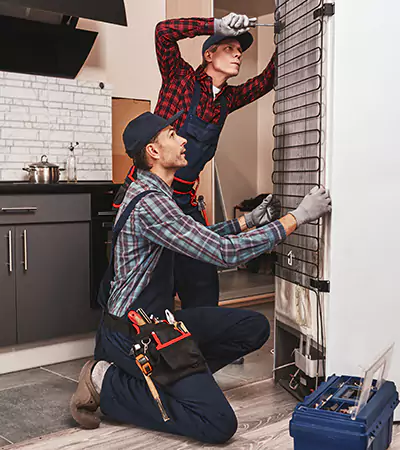
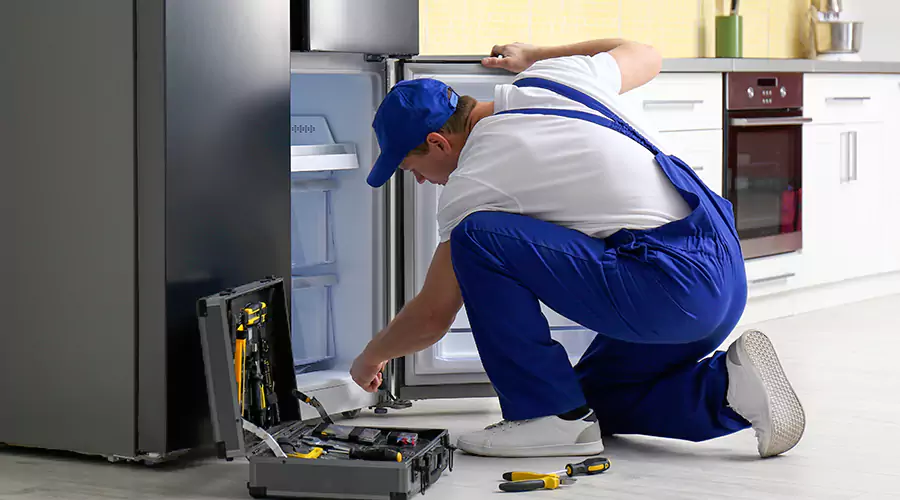
Good refrigerator maintenance helps protect food safety and energy efficiency. Clean the condenser coils, check door gaskets, keep vents clear, and avoid overpacking shelves so cold air can move properly.
Steady cooling also depends on temperature control and clean airflow. If the refrigerator runs nonstop, makes clicking sounds, leaks water, or struggles to stay cold, schedule service before the compressor works too hard.
Washer Maintenance Tips
Simple washer maintenance can help reduce leaks, odors, shaking, and drainage problems. Leave the door open after use, clean the detergent drawer, inspect hoses, and avoid using too much detergent.
Balanced loads also protect the drum, bearings, and motor. If the washer bangs loudly, stops mid-cycle, leaves clothes soaked, or leaks from the back, the problem may need professional attention.
Dryer Maintenance Tips
Routine dryer maintenance can improve drying speed and reduce safety risks. Clean the lint trap after every load and check the vent line often to prevent airflow restriction.
Poor airflow makes the dryer work harder and may cause overheating. If clothes take too long to dry, the unit feels too hot, or you smell burning, stop using it until the issue is checked.
Dishwasher Maintenance Tips
Regular dishwasher maintenance helps improve cleaning power and drainage. Clean the filter, check spray arms, wipe the door gasket, and scrape heavy food from dishes before loading.
Clear water flow is important for strong performance. If the dishwasher leaves food behind, holds standing water, leaks near cabinets, or smells bad, the drain system or pump may need inspection.
Oven Maintenance Tips
Careful oven maintenance can help keep cooking temperatures more accurate. Wipe spills after the oven cools, avoid harsh scraping on sensors, and keep the door seal clean.
Uneven baking may point to a heating element, igniter, thermostat, or sensor issue. If the oven takes too long to preheat or fails to hold temperature, a technician can test the parts safely.
Stove Maintenance Tips
Practical stove maintenance keeps burners, controls, and cooktops working more reliably. Clean spills quickly, keep burner openings clear, and make sure removable parts sit correctly after cleaning.
Gas and electric stoves require different care. If burners click nonstop, flames look weak, coils fail to heat, or knobs stop responding, a service visit may prevent bigger damage.
Appliance Maintenance Tips Table
| Appliance | Key Maintenance Tips | Warning Signs to Watch For |
|---|---|---|
| Refrigerator | Clean condenser coils; check door gaskets; clear airflow vents. | Running constantly; clicking sounds; leaking water; temperature drops. |
| Washer | Leave door open after use; clean detergent drawer; inspect hoses. | Banging loudly; stops mid-cycle; leaking; clothes stay soaked. |
| Dryer | Clean lint trap after every load; check external vent lines. | Long drying times; unit feels excessively hot; burning smell. |
| Dishwasher | Clean the filter; check spray arms for clogs; wipe door seals. | Standing water; leaves food on dishes; leaking; unpleasant odor. |
| Oven | Wipe spills promptly; keep door seals clean; avoid scraping sensors. | Uneven baking; long preheat times; failure to hold temperature. |
| Stove | Keep burner ports/openings clear; ensure parts sit correctly. | Constant clicking (gas); weak flames; unresponsive control knobs. |
Cleaning Tips That Reduce Repairs
Useful appliance cleaning tips can reduce strain on major systems. Clean refrigerator coils, dryer vents, dishwasher filters, washer seals, oven interiors, and stove burners on a regular schedule.
Clean appliances often run with less effort. Built-up lint, grease, dust, food debris, and mineral deposits can block airflow, reduce water movement, and make heating parts work harder.
When Professional Repair Helps?
Skilled professional appliance repair matters when the problem goes beyond basic cleaning or simple checks. Electrical faults, gas concerns, water leaks, overheating, cooling failure, and repeated shutdowns need safe diagnosis.
Trusted appliance repair services can help homeowners avoid guesswork. A technician can test parts, explain the issue, and recommend a repair that makes sense for the appliance’s age and condition.
Residential Repair for Everyday Appliances
Quality residential appliance repair supports the machines homeowners use most often. Refrigerators, washers, dryers, dishwashers, ovens, and stoves all need proper service when performance starts to decline.
Timely broken appliance repair can prevent a small failure from causing extra damage. Fixing a worn belt, weak valve, bad seal, clogged drain, or faulty sensor early may cost less than waiting for a full breakdown.
What to Do When an Appliance Stops?
A sudden appliance not working problem can feel frustrating, but a few safe checks may help. Confirm the appliance has power, review the settings, check the breaker, and look for blocked vents or visible leaks.
Never force a damaged appliance to keep running. If the unit sparks, smells like burning, leaks heavily, overheats, or trips the breaker, stop using it and schedule service.
Understanding Repair Costs
The appliance repair cost depends on the appliance type, part price, labor time, brand, age, and severity of the issue. Simple repairs may cost less than replacing a major household appliance.
Clear estimates help homeowners make better decisions. A reliable technician should explain what failed, what repair is needed, and whether the appliance is worth fixing.
Finding Local Help
Searching for appliance repair near me can help homeowners find nearby support when a machine breaks down. Local service can be useful when you need faster scheduling or help with a commonly used appliance.
A trusted local appliance repair company should communicate clearly, respect your home, provide practical advice, and explain repair options before starting major work. Good service helps you feel confident about the next step.
Helpful Service Checklist
An appliance service checklist can make maintenance easier to follow. Homeowners can check the following each month:
- Filters and vents for clogs or dust buildup
- Hoses for leaks or cracks
- Door seals and gaskets for wear
- Power cords and plugs for damage
- Leveling and stability of appliances
- Drainage and water flow performance
- Unusual noises or vibrations
- Temperature or cycle performance changes
Written notes also help track patterns. If the same problem keeps returning, those details can help a technician diagnose the issue faster during a service visit.
Final Thoughts
Affordable repairs often start with better daily habits. Cleaning, maintenance, safe troubleshooting, and early service can help appliances last longer and perform more reliably.
Professional support becomes important when a problem affects safety, cooling, heating, water flow, or daily use. With the right care, homeowners can reduce breakdowns, manage repair costs, and get more value from their appliances.